The Role of Professional Kitchen Equipment in Canadian Foodservice Efficiency
.png)
Canada’s thriving foodservice sector continues to expand across major hubs like Toronto, Vancouver, and Calgary, where restaurants, cafés, and hospitality businesses must operate at peak efficiency to stay competitive. In this fast-paced environment, professional kitchen equipment is not just a requirement—it is a strategic investment that directly impacts service speed, food quality, and overall operational success.
The Role of Professional Kitchen Equipment
Professional kitchen equipment is engineered for durability, precision, and continuous use. Unlike standard appliances, commercial-grade equipment can handle high-volume cooking while maintaining consistent performance.
This allows food businesses to:
- Deliver faster service during peak hours
- Maintain consistent taste and presentation
- Reduce manual effort and errors
- Improve overall kitchen workflow
Core Equipment Every Commercial Kitchen Needs
Cooking Equipment
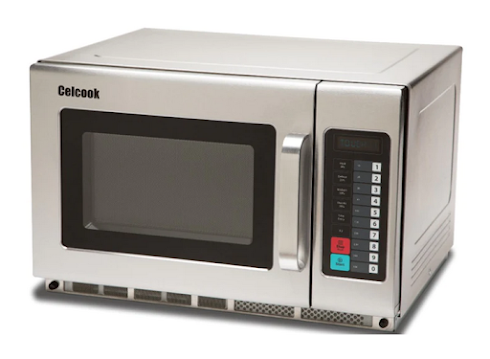
Cooking appliances such as commercial ovens, ranges, grills, and fryers are essential for preparing a wide variety of dishes efficiently. These tools are designed to provide even heat distribution and precise control, ensuring consistent cooking results.
Refrigeration Equipment
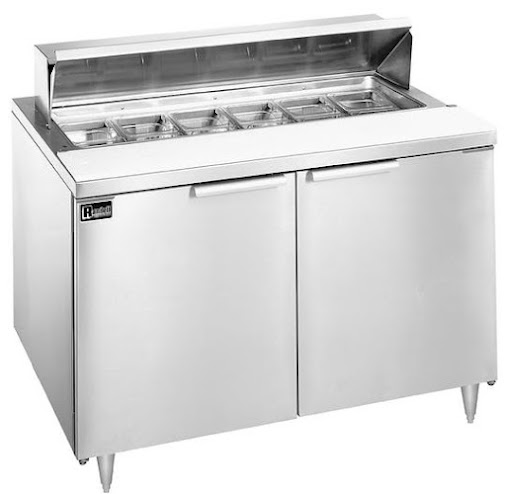
Proper food storage is critical in Canadian kitchens. Commercial refrigeration systems help preserve ingredients, reduce spoilage, and comply with strict food safety regulations.
Food Preparation Tools
Preparation equipment like mixers, slicers, and processors streamlines kitchen operations by saving time and ensuring uniformity in food preparation.
Cleaning and Warewashing Systems
Maintaining hygiene is crucial for any food business. Commercial dishwashers and sanitizing systems ensure that utensils and equipment are cleaned efficiently, helping meet health standards.
Ventilation and Exhaust Systems
Ventilation systems improve air quality by removing smoke, heat, and odors, creating a safer and more comfortable environment for kitchen staff.
Important Considerations Before Buying
Energy Efficiency
With rising energy costs in Canada, energy-efficient equipment helps reduce expenses and supports environmentally responsible operations.
Build Quality
Durable materials such as stainless steel ensure that equipment can withstand heavy usage and last longer.
Regulatory Compliance
Commercial kitchens must meet Canadian safety and hygiene standards. Choosing compliant equipment helps avoid penalties and ensures smooth operations.
Space Utilization
In urban areas like Montreal and Ottawa, optimizing kitchen space is essential. Compact and multi-purpose equipment can help maximize efficiency in limited areas.
Emerging Trends in Canada’s Kitchen Industry
The commercial kitchen landscape in Canada is evolving with modern innovations, including:
- Smart appliances with digital controls
- Energy-saving technologies
- Compact designs for smaller kitchens
- Multi-functional equipment for versatility
These trends are helping businesses improve efficiency while reducing operational costs.
Advantages of Investing in Professional Kitchen Equipment
Upgrading to professional-grade equipment offers several benefits:
- Faster food preparation and service
- Improved consistency and quality
- Increased staff productivity
- Reduced long-term maintenance costs
- Better customer experience
Conclusion
Professional kitchen equipment is the foundation of any successful commercial kitchen in Canada. By investing in high-quality, energy-efficient, and durable equipment, businesses can improve efficiency, meet regulatory standards, and deliver exceptional service. Whether operating in a busy city or a smaller town, the right kitchen setup ensures long-term growth and success in Canada’s competitive foodservice industry.

Comments
Post a Comment